Hair Colour
What Is Colour Correction
and When Do You Actually Need It?
Your dream colour is the destination. Your hair history determines the journey.
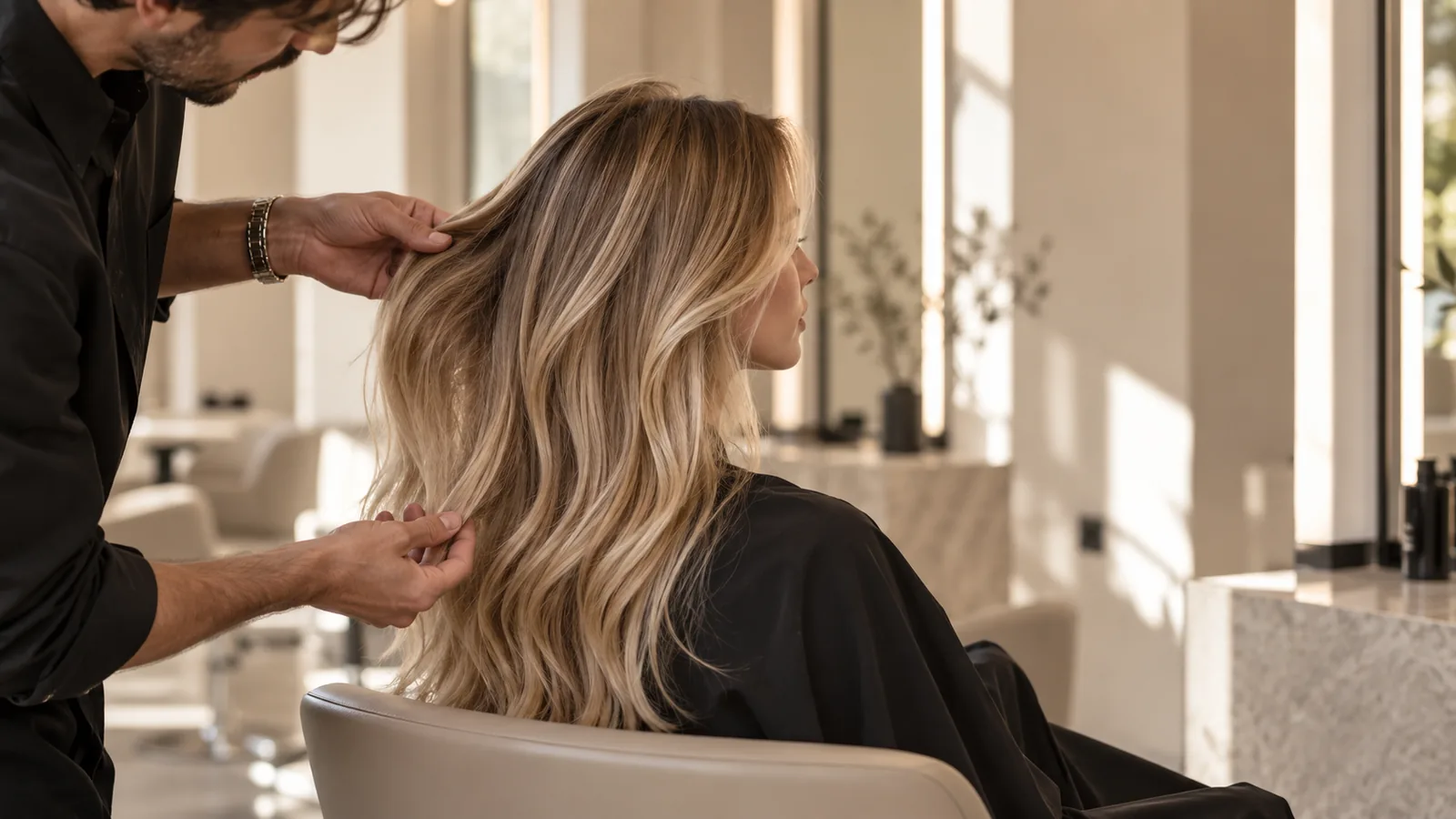
You bring your colourist a photo of your dream hair.
Maybe it’s a beautiful beige blonde. A rich dimensional brunette. A soft, expensive-looking balayage.
But before looking too closely at the photo, there is another question that matters even more:
What happened to your hair before today?
Because your hair has a history. And sometimes, that history is the most important part of the consultation.
Your Hair Has a History
Imagine sitting in the salon with a photo of the colour you want.
Your colourist looks at your hair and sees something different from what you see.
They see your natural regrowth. They see previously coloured hair. They see old highlights.
Maybe some areas have been lightened several times. Maybe darker colour has been applied over blonde. Maybe you've had a keratin or smoothing treatment. Maybe the ends have been processed many times over the years.
Even when your hair looks like one colour, it can actually contain several different histories. And each section can react differently.
That is why colour correction starts with understanding what we are actually working with. Before deciding what colour to put on the hair, we need to understand what is already there.
So, What Actually Counts as Colour Correction?
Colour correction doesn't always mean a dramatic hair transformation or a colour disaster. Sometimes it is much more subtle.
- Highlights that are too bright
- A blonde that has become too yellow
- A tone that feels too ashy or flat
- Lengths that look opaque or dull
- Colour that has lost its dimension
- Uneven or patchy results
- Dark bands through the hair
- Unwanted orange, yellow or red tones
- Previously lightened sections that are much brighter than the rest
Colour correction is not one particular technique. It is a strategy for solving a colour problem.
The Colour You Start With Matters
One of the biggest misconceptions about hair colour is that the colour we see on the outside tells us everything we need to know. It doesn't.
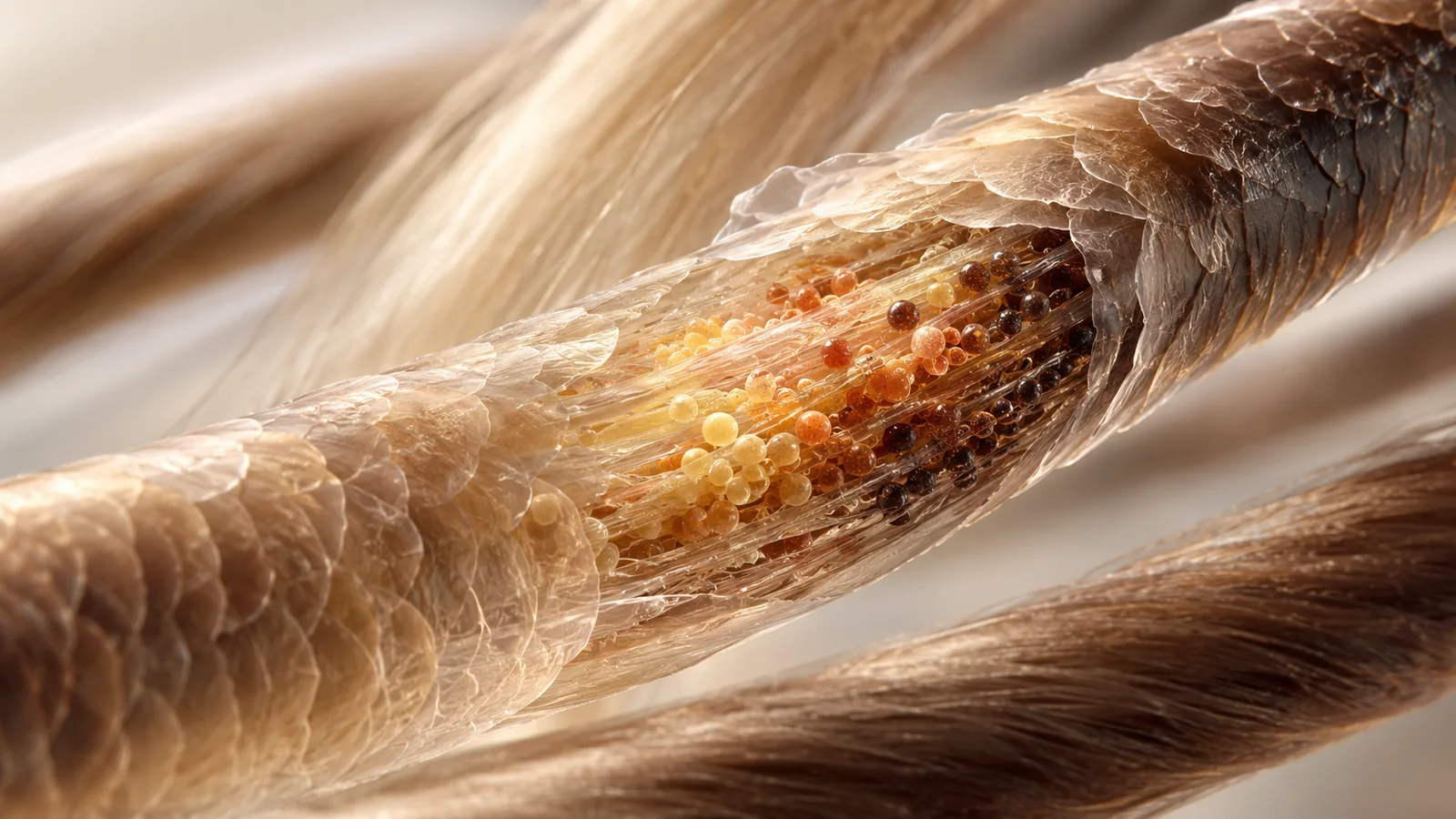
Natural hair contains underlying pigments. As hair is lightened, these pigments are progressively exposed.
That is why a brunette doesn't simply become blonde. The hair may move through different underlying stages such as red, orange, gold and yellow before reaching the desired level.
Even two people with a similar natural brown can reveal those pigments differently. Your natural pigment, starting level, previous colour and the condition of your hair all influence how the colour will behave.
The formula has to respond to the hair that is actually in front of us.
Your Hair Remembers More Than You Think
One of the most important things to understand about colour correction is that time doesn't necessarily erase your hair history.
You might say: “I haven’t coloured my hair for two years.” But if your hair is long, the colour from two years ago may still be sitting in the mid-lengths or ends.
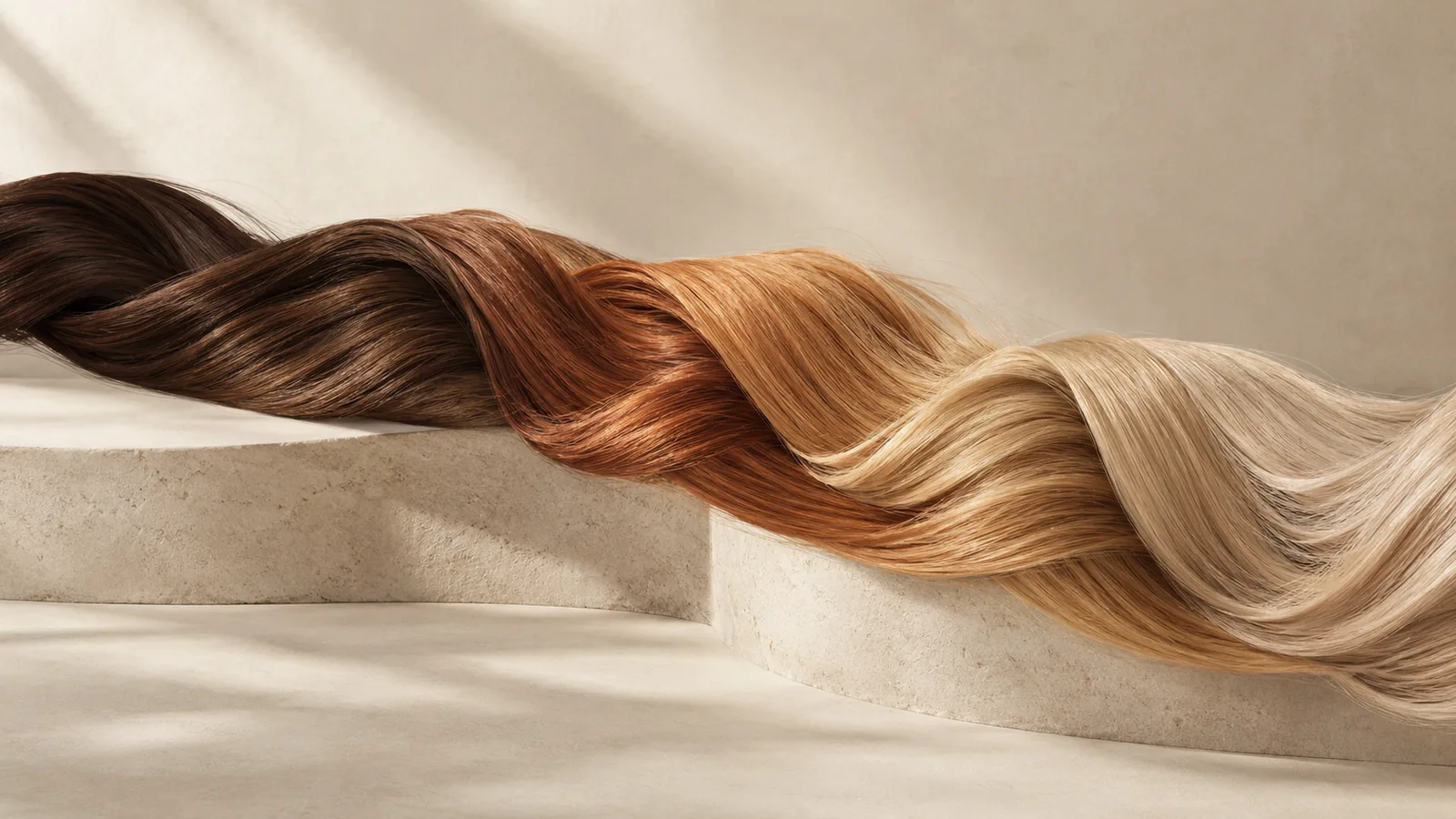
Imagine the hair as a timeline: natural regrowth near the scalp, previously coloured hair underneath, older highlights through the mid-lengths, and very old, more processed sections towards the ends.
All of those areas can behave differently. This is why a professional colourist needs to understand not only what you have on your hair today, but what has happened to it over time.
It’s Not Like Painting a Wall
Hair colour is a chemical process. You cannot simply cover one colour with another and expect the previous colour to disappear.
Existing artificial pigments, natural underlying pigments, porosity and the condition of the hair all influence what happens next. The colour that's already in your hair becomes part of the equation.
This is why the same formula can produce completely different results on two people. It is also why colour correction requires more than choosing a beautiful colour from a colour chart. We have to understand how the hair will respond.
And It’s Not Only Colour That Can Affect Your Hair
Your colour history is not always limited to colour. Keratin treatments, hair Botox and other smoothing services can also become part of the story.
Depending on the formulation and condition of the hair, these treatments can alter the surface of the fibre or leave a film or coating around the hair. This can influence how it behaves during a future colour service.
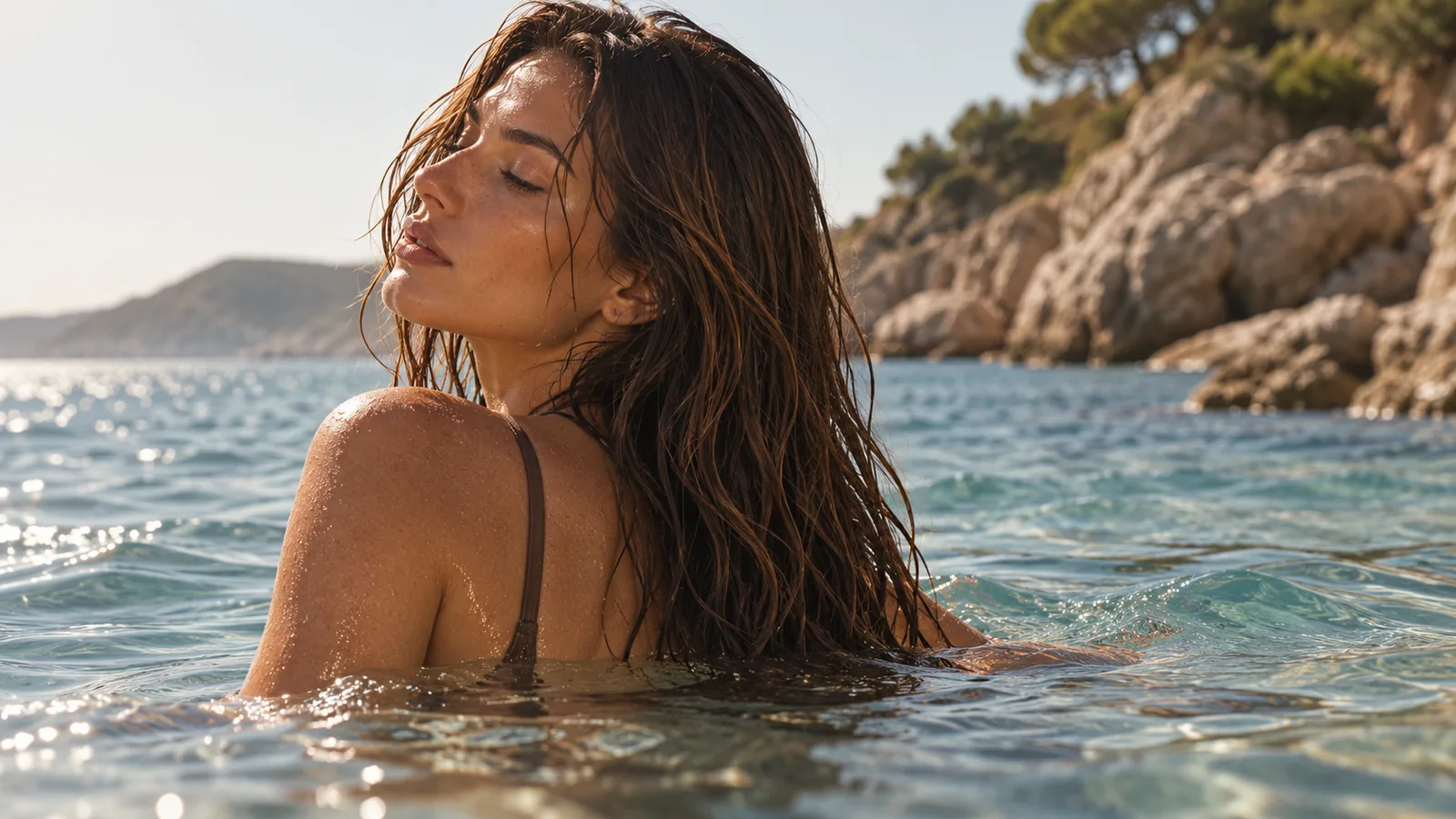
Even the environment can make a difference. Sun exposure, sea water and chlorine can affect both the appearance and condition of coloured hair.
That is why a good consultation involves asking questions that might initially seem unrelated to colour. It is not being nosy. It is understanding the canvas before we work on it.
Why Can’t You Just Fix It in One Appointment?
Sometimes you can. Sometimes you absolutely should not.
If the issue is mainly tonal and the hair is in good condition, a carefully selected toner or gloss, the right pigments and an appropriate treatment may be enough to rebalance the result.
But if the hair contains multiple layers of colour, has been heavily lightened, or is already compromised, a dramatic correction may not be the safest option in a single appointment.
Sometimes the best approach is progressive:
- Prepare
- Correct
- Treat
- Reassess
- Continue
That isn't taking the long way around. It is protecting the hair while getting you where you want to go.
“Can You Just Make Me Blonde?”
This is one of the most common conversations in colour correction.
You show your colourist a beautiful blonde photograph. The colour is achievable. But the photograph only shows the destination. It does not show the journey.
A person with naturally light hair starting from a relatively clean canvas may have a very different route to that blonde than someone with dark, previously coloured hair.
- Your starting level matters
- Your natural pigment matters
- Previous colour matters
- Porosity matters
- Elasticity matters
- The condition of the hair matters
When a colourist asks what you have done to your hair in the past, they are not trying to make the appointment more complicated. They are trying to understand the route.
Colour Correction vs Colour Transformation
These two terms can sound similar, but they describe different situations.
A colour transformation is usually a significant change from predominantly natural or virgin hair. For example, taking naturally dark brunette hair to a lighter dimensional blonde when there is little or no previous colour or chemical history to consider.
Colour correction starts from a different place. There is usually an unwanted result, uneven colour, previous colour, multiple layers of pigment or a more complex chemical history that needs to be considered.
Virgin hair gives us one starting point. Hair with years of colour history gives us another. The desired result might be the same, but the journey can be completely different.
Sometimes the Best Colour Correction Starts Before the Colour
There are occasions when the best thing we can do is not colour the hair immediately. If the hair is not in the right condition, treatments may need to come first.
Lightening and other chemical services can place stress on the hair, particularly when it has already been processed. Improving its condition can give us a better foundation for the colour service.
Sometimes treatment does not stop after the correction. It becomes part of the plan.
Healthy hair gives us more possibilities.
What Should You Tell Your Colourist?
Everything. Even the things you think are irrelevant.
Tell your colourist if you have used:
- Box dye
- Home colour
- Henna
- Bleach
- Highlights
- Colour removers
- Keratin treatments
- Hair Botox
- Smoothing treatments
- Other chemical services
If you know the products that were used, bring the information with you. Old photos of your hair can also be helpful.
You are not giving your colourist unnecessary information. You are giving them what they need to make better decisions.
When “Not Today” Is the Right Answer
A professional colourist is not there simply to say yes to every request. Sometimes the right answer is: “Not today — but we can work towards it.”
That might mean treating the hair first, changing the technique, choosing a slightly different colour, or creating the result over several appointments.
The goal is not to recreate a photograph at any cost. It is to create beautiful hair that is healthy, wearable and manageable in real life.
Keeping Your Colour Beautiful Between Appointments
A colour correction doesn't end when you leave the salon. The way you care for your hair at home can make a significant difference to how long your colour stays vibrant, shiny and balanced.
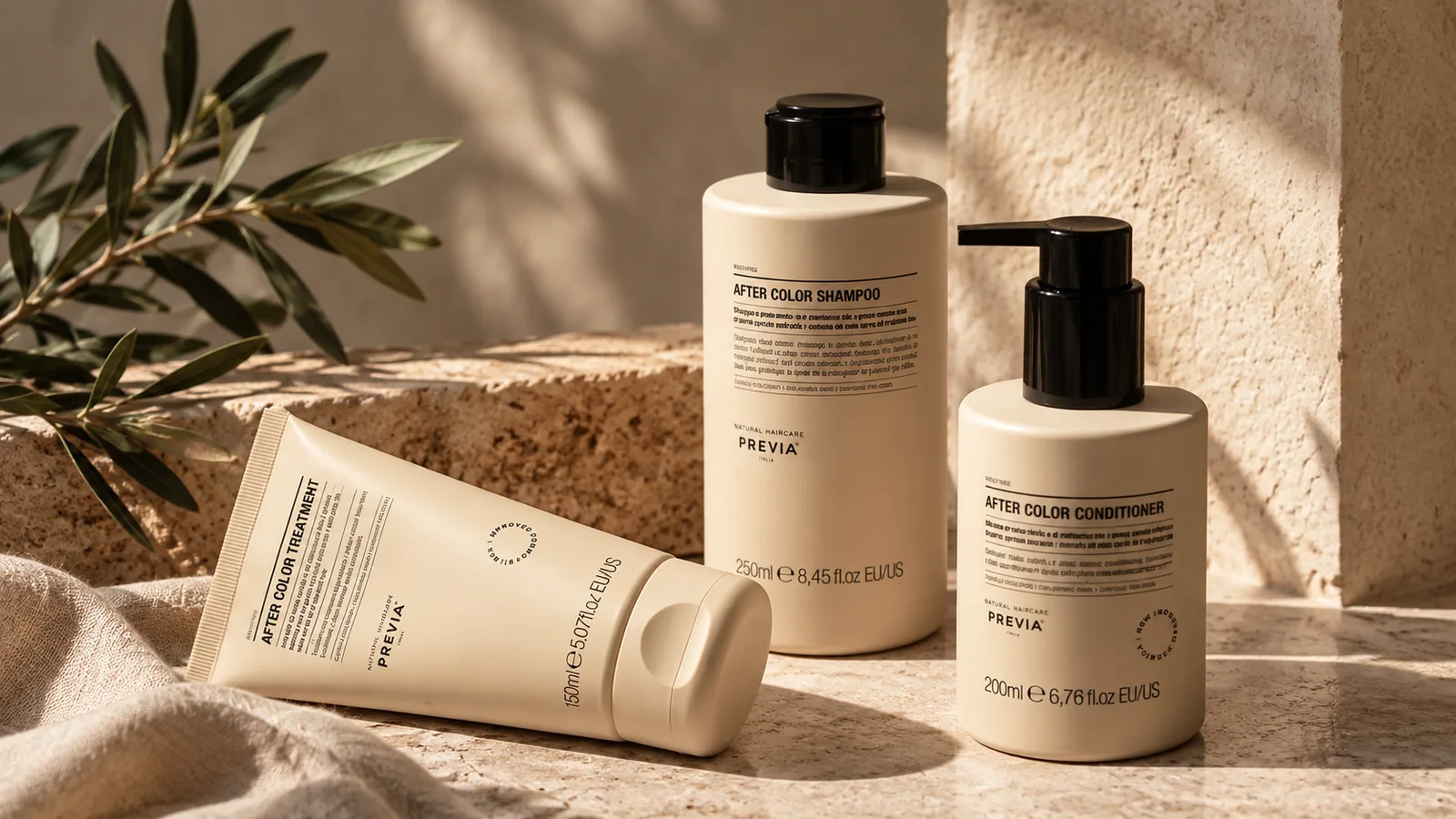
For colour-treated hair, we recommend Prévia Keeping After Color — a complete colour-care routine including shampoo, conditioner and treatment.
The range is designed to help protect the colour, reduce fading and maintain shine between salon appointments.
The right home-care routine will always depend on your hair's condition and the type of colour you have had. Your colourist can help you choose what your hair actually needs, rather than simply adding more products to your bathroom shelf.
Beautiful colour in the salon, and the right care to keep it beautiful at home.
The NOA Approach
At NOA Studio, the health and condition of the hair will always be our top priority. Colour should enhance your hair, not compromise it.
That means understanding your natural pigment, your colour history, the condition of your hair and the result you want to achieve.
Sometimes the right answer is one appointment. Sometimes it takes more time. Sometimes it requires a different technique or a different plan altogether.
Beautiful colour is not about pushing the hair as far as it can go. It is about knowing how far you can safely take it — and creating something beautiful within those limits.
Consultation
Thinking about changing your colour?
If you're unsure what your hair needs, start with a consultation. Let's look at where your hair is today, where you want to go, and the healthiest way to get there.
Book a consultation