Hair Colour
Why Does Hair Colour Turn Warm?
The Science of Colour Fading
Why your beautiful brunette becomes coppery, your cool blonde turns golden, and what you can do to keep your colour looking fresh for longer.

You leave the salon loving your colour. Three weeks later, something has changed.
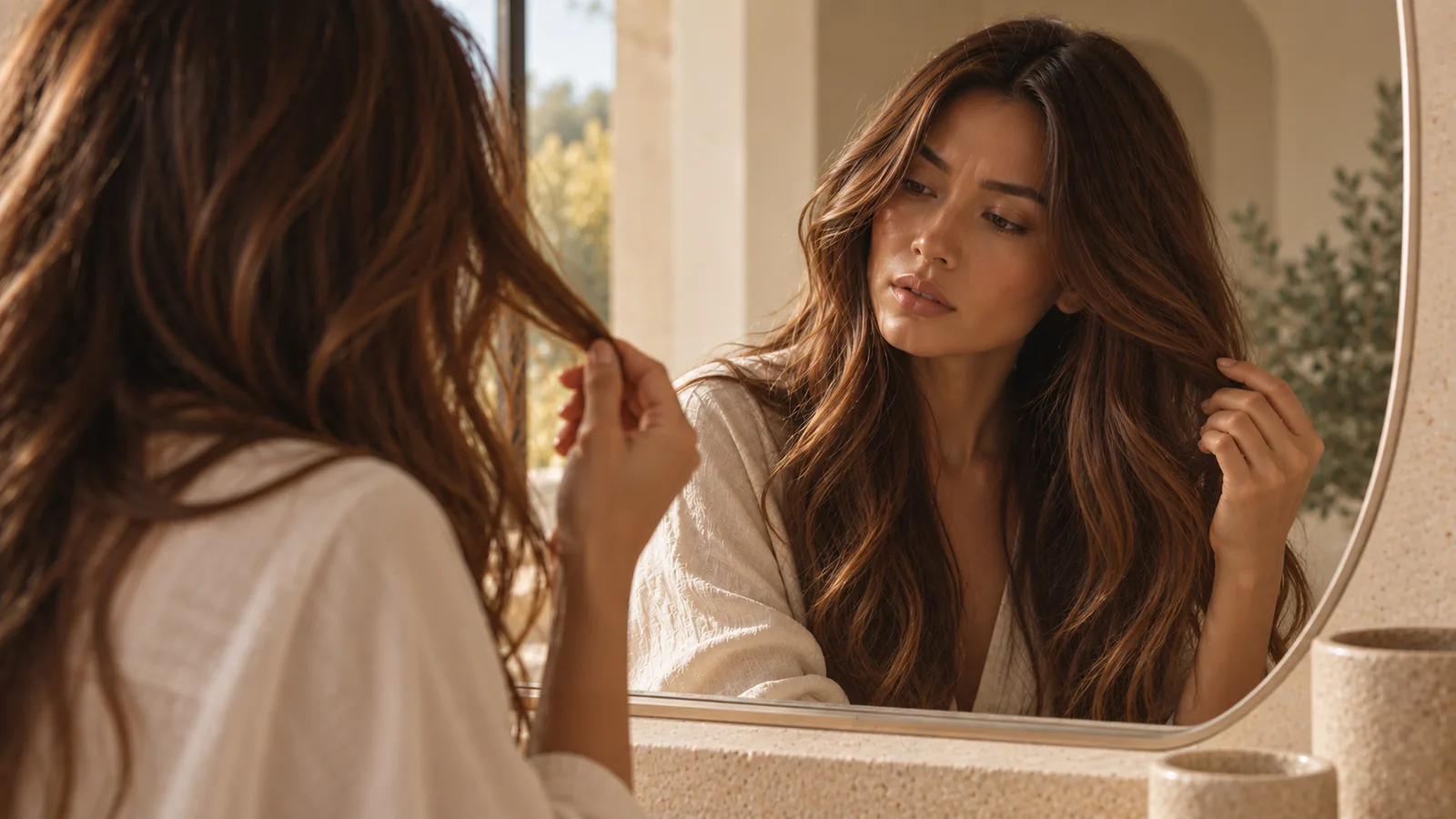
Your brunette looks a little more coppery. Your cool brown has developed a reddish glow. Your beautiful blonde is looking more golden than you remember.
And the question we hear so often is:
“Why does my hair always turn warm?”
It's one of the most common frustrations in the salon. You explain exactly what you want, your colourist creates the shade you love, and yet, as the weeks pass, the result seems to move in a different direction.
The good news? There is a reason this happens. And understanding it can completely change the way you approach your hair colour.
Hair colour isn't like painting a wall. It doesn't simply sit there, unchanged, until you decide to repaint it. Hair is a living record of its natural pigmentation, previous colour services, condition and everything it experiences between appointments.
The colour you leave the salon with is only the beginning of the story.
Let's look at what actually happens — and how you and your colourist can work together to keep your colour looking beautiful for longer.
Your hair has a colour underneath the colour
To understand why hair colour changes, we need to start with what is already inside your hair.
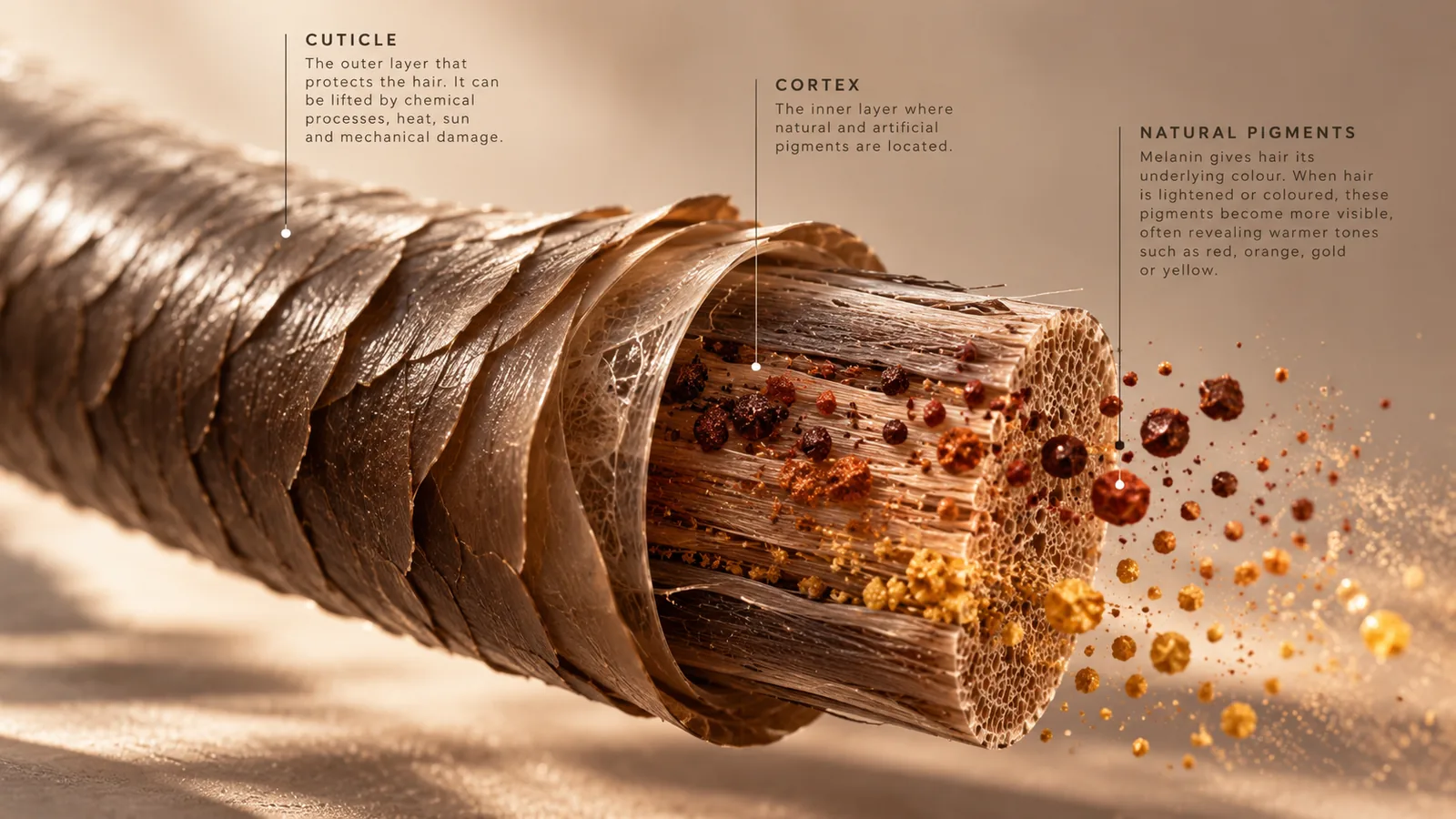
Natural hair colour comes primarily from melanin, the pigment found within the hair's cortex. The balance and distribution of different types of melanin help determine whether your natural hair appears black, brown, blonde or somewhere in between.
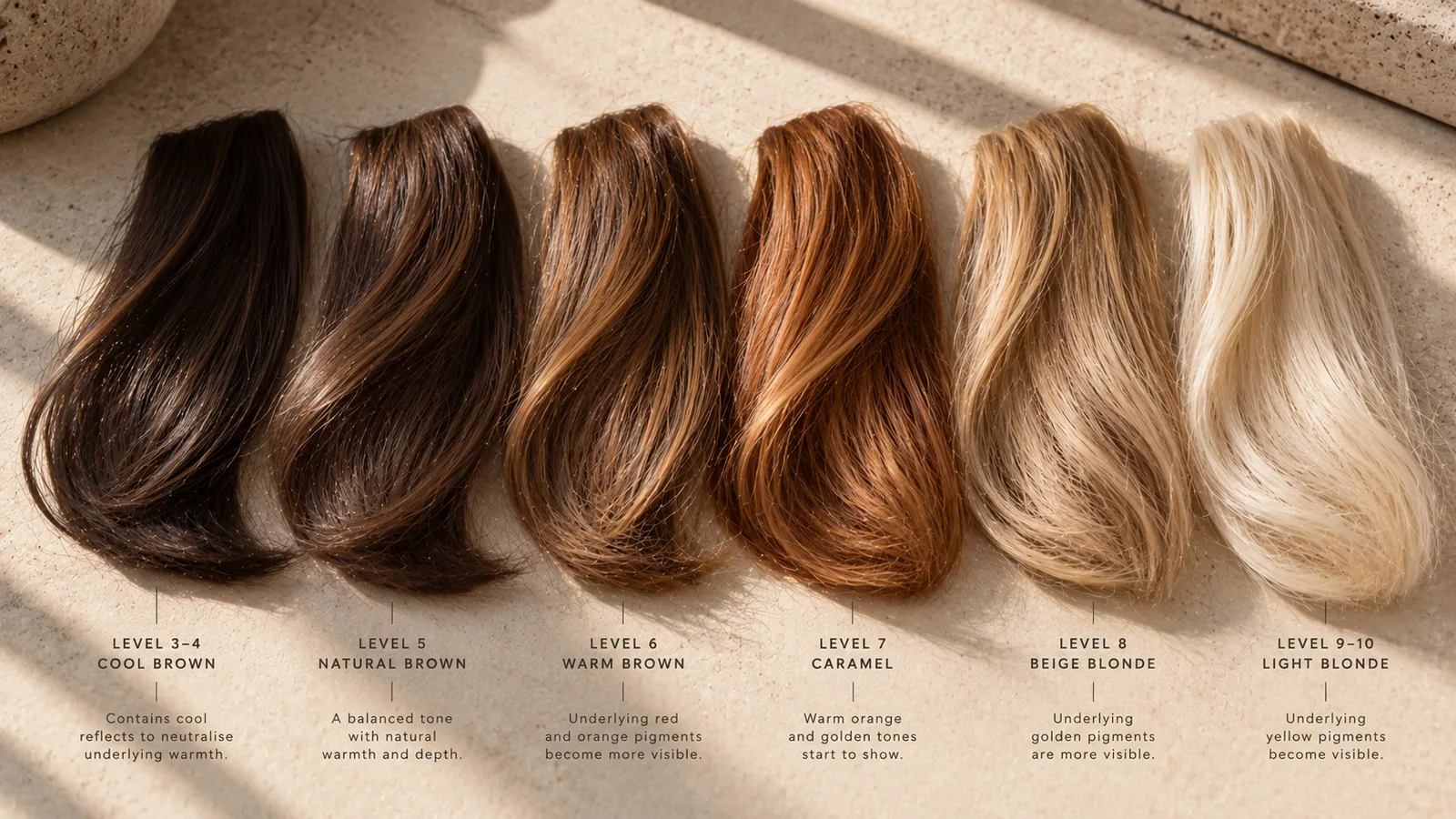
When we lighten hair, we gradually break down natural melanin. As the darker pigment is reduced, warmer underlying tones become visible.
Depending on the starting colour and how far the hair is lightened, these tones can appear red, red-orange, orange, gold or yellow.
Think about what happens when we lighten a dark brunette. The hair doesn't usually jump straight from brown to a clean, pale blonde. It passes through stages as the natural pigment is reduced.
This is why a brunette can reveal orange warmth, while a lighter blonde may reveal yellow. And it’s also why two people can start with seemingly similar hair colours but need completely different colour formulas to achieve the same result.
Their natural pigmentation, previous colour and hair condition all influence what happens next.
The warmth isn't necessarily something your hair has suddenly developed. Often, it's part of the underlying pigment story that becomes more visible as the colour changes.
Why do cool colours often fade warmer?
This is where things get particularly interesting.
Imagine we create a beautiful, cool chocolate brunette. To achieve that result, the colourist considers the hair’s natural warmth and selects a formula designed to produce the desired balance of tones.
Initially, the result looks rich, neutral and beautifully cool.
Over time, however, some of the artificial colour pigments gradually lose intensity. Washing, environmental exposure and the characteristics of the colour service all influence how this happens.
As the colour changes, the original balance of tones can shift. Cool reflects may become less noticeable, while the warmer underlying pigments become more apparent. Suddenly, that cool chocolate brunette starts looking more chestnut or copper.
The same principle can apply to blonde hair. A cool, beige blonde may gradually look more golden or yellow as its tonal balance changes.
This doesn't mean every hair colour fades in exactly the same way. Some colours become warmer, others lose depth or vibrancy, and some simply look duller. The outcome depends on the starting colour, the formula, the hair’s history and its condition.
But for clients who love cool or neutral shades, the gradual return of warmth is often one of the biggest challenges of maintaining their colour.
Can your colourist plan for this?
Yes — and this is where professional formulation makes a real difference.
A skilled colourist doesn't only consider how a shade will look when you leave the salon. They also think about how it is likely to evolve over the following weeks.
Depending on your hair and your desired result, the formula may need to account for the underlying pigments and the way the colour is expected to fade.
Sometimes that means creating a slightly cooler initial balance so that the result settles into a more natural-looking shade over time. But this isn't a universal rule: making a colour too cool can create an unwanted result, especially on porous or previously lightened hair.
The goal isn't to make your hair look unnaturally ashy on day one just to compensate for what might happen later.
It's to create the right balance for your hair, so the colour looks beautiful now and continues to look beautiful as it evolves.
Your colour doesn't live in a bubble
Even the most carefully formulated colour has to deal with real life.
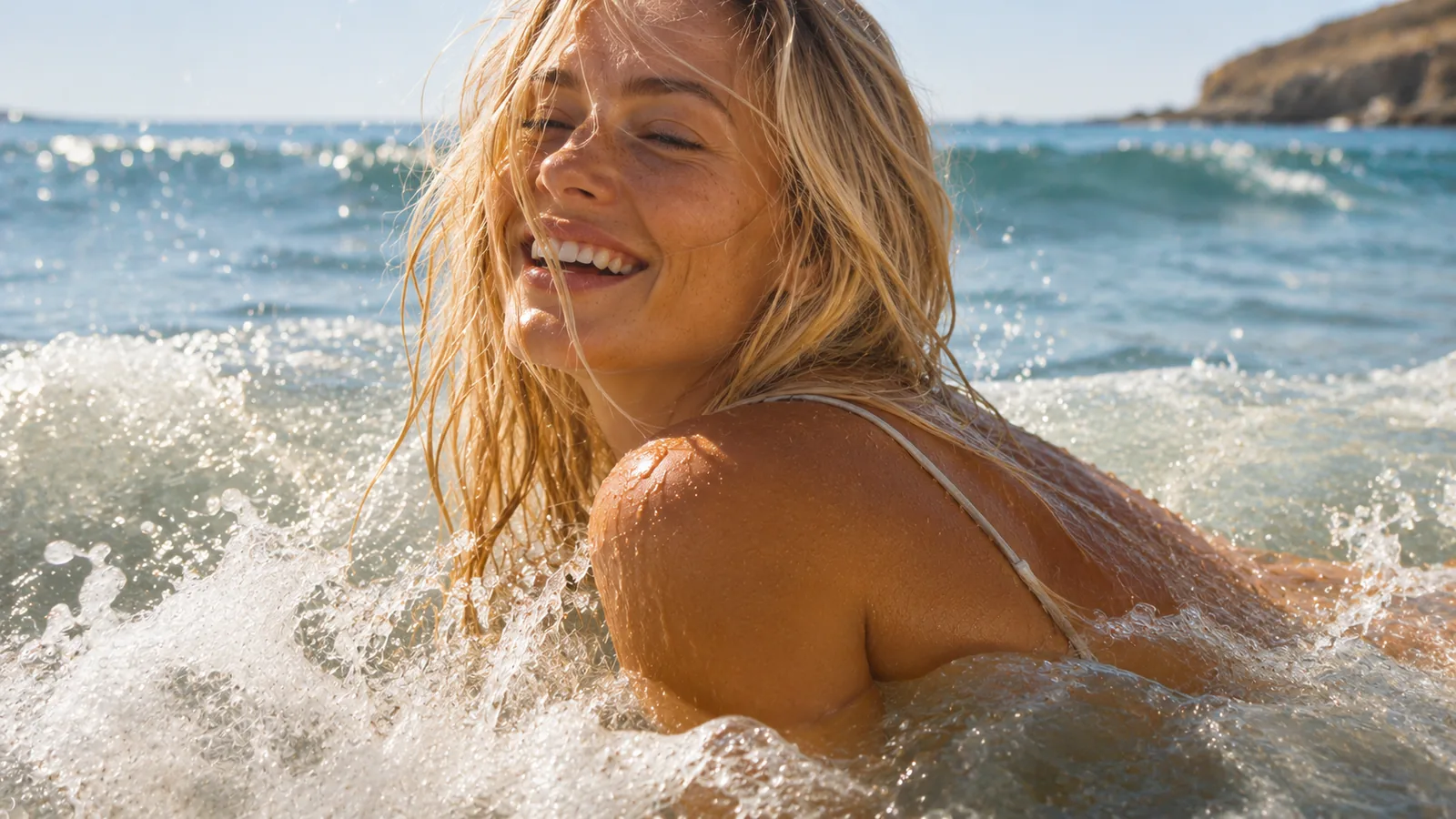
Sunlight, swimming, heat styling and washing can all influence how your hair looks between appointments. They don't necessarily affect every colour in the same way, but together they can make a noticeable difference.
Sunlight and UV exposure
Sunlight can contribute to the breakdown of colour pigments and changes in the hair fibre. With repeated exposure, coloured hair may appear lighter, less vibrant or warmer.
Think about how your hair looks after a summer holiday. Those lighter pieces around your face and through your lengths may look beautiful, but you might also notice that your brunette has lost some of its richness or your blonde has become less balanced.
UV exposure is one of the reasons colour can look different after weeks spent outdoors.
If you're going to be spending a lot of time in the sun, consider wearing a hat and using hair products specifically designed to help protect against UV exposure. Protection can help, although it cannot prevent every colour change.
Sea water and swimming pools
A swim in the Mediterranean might be one of the best parts of summer, but your hair experiences it differently from your skin.
Repeated wetting, exposure to pool chemicals, minerals in water and sun exposure can all contribute to changes in hair condition and colour.
Chlorine and other pool-water conditions can sometimes leave hair feeling rougher or make certain shades look different. Seawater can also contribute to dryness, particularly when combined with sun and wind.
If your hair is coloured, a little preparation can help. Follow your colourist’s advice on protecting your hair before swimming, rinse it with fresh water afterwards and use a suitable conditioning routine.
You don't need to avoid the sea to have beautiful hair. You just need to understand what your hair is exposed to and care for it accordingly.
Hot tools: when styling changes the picture
Straighteners, curling irons and other heated tools are another factor worth considering.
Frequent styling at high temperatures can damage the hair fibre and contribute to changes in colour, particularly in hair that has already been lightened or is more porous.
You might notice that your colour looks less rich, your blonde becomes less balanced or your ends start appearing different from your roots.
Heat can also affect shine and the way light reflects from the hair. When the surface becomes rougher, the colour may appear less glossy and less even.
Use the lowest effective temperature for your styling needs, avoid repeatedly passing a hot tool over the same section, and always use an appropriate heat protectant.
Beautiful colour isn't just about the formula in the salon. It's also about how you treat your hair afterwards.
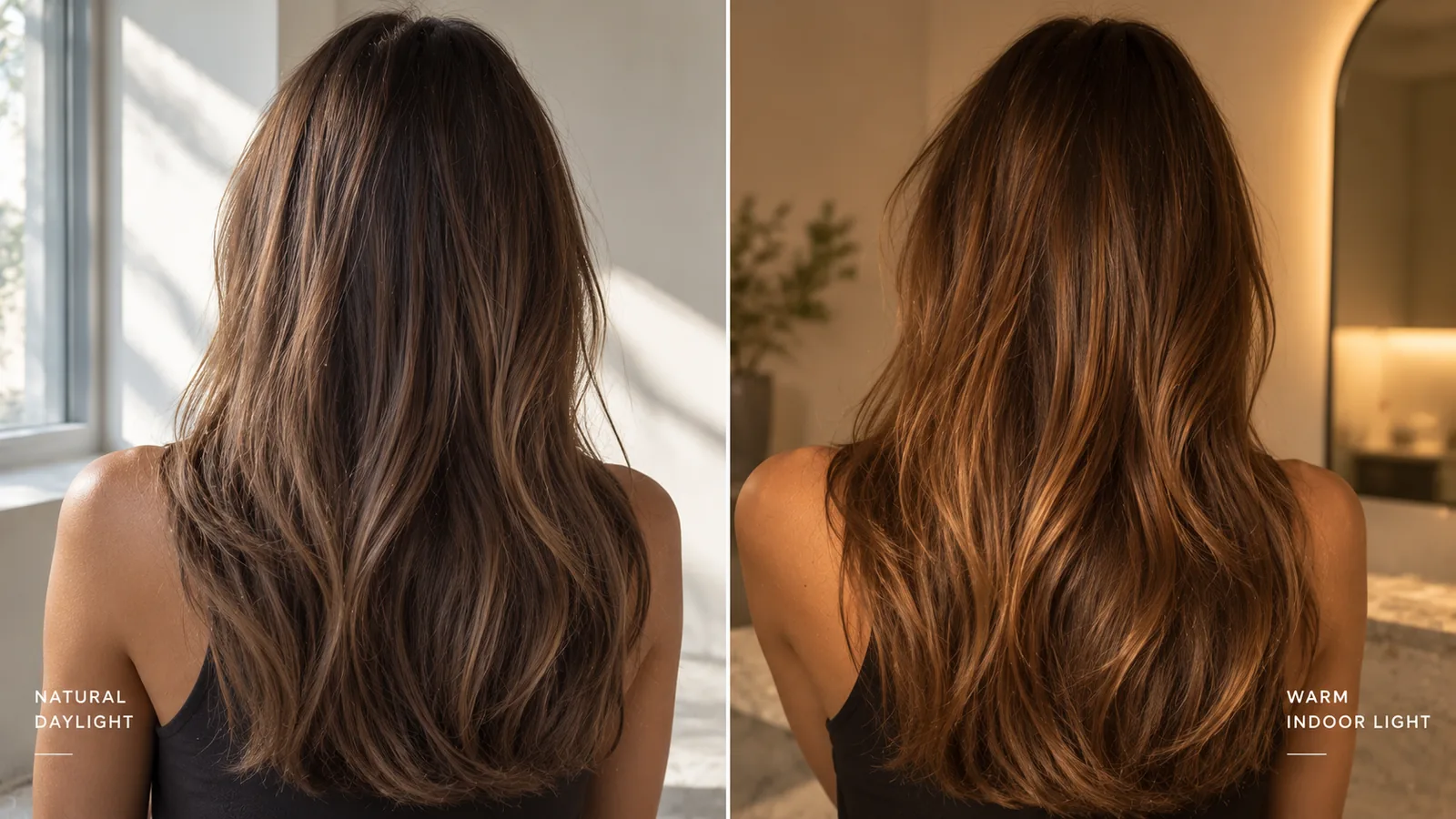
Why does your hair look different in different lighting?
Have you ever looked at your hair in the bathroom mirror and thought it looked warm, only to step outside and find that it looks completely different?
You're not imagining it. The light illuminating your hair changes how you perceive its colour.
Warm indoor lighting can emphasise golden, copper and reddish reflects. Cooler daylight can make some shades appear more neutral or ashy. Direct sunlight can reveal subtle highlights and tonal variations that are less noticeable indoors.
This is especially obvious with brunettes, where small changes in reflected light can make the difference between a cool chocolate brown and a warmer chestnut.
It can also happen with blonde hair. A beige blonde may appear creamier under warm light and cooler under neutral daylight.
And there is another factor: the colour you see in a photograph isn't always an exact representation of reality. Cameras, screens, white balance and image editing can all influence how a shade appears.
So, before deciding that your colour has changed dramatically, consider where you're looking at it. A change in lighting doesn't necessarily mean that the pigments in your hair have changed. Sometimes, you're simply seeing the same colour under different conditions.
Why does this matter in the salon?
A professional colour consultation should take your desired result into account under appropriate lighting, rather than relying on a single photograph or the appearance of your hair in one particular environment.
Your colourist should also consider how the shade will look in your everyday life — not just beneath the salon lights.
After all, the aim is to create a colour that works for you, wherever you go.
Not all colour services fade in the same way
Another important part of the story is the type of colour service you have.
A toner, a demi-permanent colour and a permanent colour are not interchangeable. They differ in formulation, how the pigments are deposited or developed, how they interact with the hair and how they tend to fade.
Toners and glosses
Toners and glosses are often used to refine tone, refresh colour, add shine or rebalance unwanted reflects.
Depending on the product, they may deposit colour without significantly lightening the natural pigment. Their longevity depends on the formulation, the hair's porosity and condition, and how the hair is cared for afterwards.
This is why a beautiful tonal adjustment can gradually become less noticeable over time.
If your blonde becomes too yellow or your brunette starts looking too warm, a toner or gloss may be enough to refresh the result. You may not need to recolour the entire head.
Demi-permanent colour
Demi-permanent colour is commonly used to refresh lengths, refine tone or create a richer result. Depending on the product, it can be particularly useful when the goal is to adjust the colour without significantly lightening the natural base.
It gradually loses intensity with washing, although the way it fades depends on the formula and the condition of the hair.
Permanent colour
Permanent colour uses an oxidative process to develop colour within the hair. Depending on the product and service, it can change natural pigment as well as deposit artificial colour.
It is designed to provide a more lasting result, but that doesn't mean the tone will remain identical forever.
Artificial colour can still change over time, while natural regrowth creates a difference between the roots and the previously coloured lengths.
So, where does the colour actually sit?
It's tempting to imagine that every colour service simply places pigments on a particular layer of the hair. In reality, the chemistry is more complex.
The cuticle is the outer protective layer, while the cortex contains most of the hair's natural melanin. Different colour products interact with the fibre in different ways, and their behaviour depends on their formulation and the condition of the hair.
The type of colour service influences how the result develops and fades — which is why choosing the right service matters just as much as choosing the right shade.
The little things that can make a big difference
Sometimes, unwanted warmth isn't caused by one major event. It's the result of several small factors working together.
Your shampoo and washing routine
Every wash can contribute to the gradual loss of some artificial colour pigments. The extent depends on the colour service, the shampoo formulation, the water conditions, the hair's porosity and how frequently you wash.
A suitable shampoo and conditioner for colour-treated hair can help support the hair's condition and maintain its appearance.
You don't necessarily need to wash your hair as infrequently as possible. You need a routine that suits your scalp, hair type and lifestyle while being gentle enough for your colour.
Your hair's condition
Previously lightened or porous hair can behave differently from virgin hair.
When the hair fibre is more porous, colour may be absorbed unevenly and may not remain as long as expected. The result can be a colour that loses its balance quickly or looks different through the lengths and ends.
This is one reason why two clients can use the same colour formula and experience different results.
Keratin and smoothing treatments
Some keratin and smoothing treatments can affect the appearance and longevity of hair colour. Depending on the formulation and process, they may cause colour to fade, look lighter or shift warmer.
The result isn't identical for every treatment, so it's important not to assume that all smoothing services behave in the same way.
If you're planning a smoothing treatment and a colour appointment, tell your stylist about both. The order of the services and the time between them may need to be considered.
Your previous colour history
Your hair also carries the effects of previous chemical services.
If your lengths have been coloured repeatedly, while your roots are natural and your ends have been lightened several times, those areas may respond differently to the same product.
A good colourist looks at the whole picture — not just the shade you want to achieve.
Sometimes, the best way to make your colour last longer is to improve the condition of the hair and adjust the approach to the areas that need it most.
How do you neutralise unwanted warmth?
This is where colour theory comes into play. Professional colourists use their understanding of complementary colours to help neutralise unwanted reflects. In simple terms:
- Blue-based tones can help neutralise orange.
- Violet-based tones can help neutralise yellow.
- Green-based tones can help neutralise red.
But choosing the correct tone isn't simply a matter of looking at your hair and picking the opposite colour.
The colourist must consider the depth of the hair, the intensity of the unwanted warmth, the desired result and the condition of the fibre.
For example, a brunette showing strong orange warmth may need a different approach from a blonde showing pale yellow. Applying too much of the wrong pigment can leave the hair looking dull, overly cool or muddy.
The shade numbering systems used by professional colour brands also vary. A number that represents a particular reflect in one brand may not mean exactly the same thing in another.
That's why your colourist needs to understand the specific product range they're working with, rather than relying on shade numbers alone.
Can you fix warmth at home with purple shampoo?
Sometimes, but it depends on the colour you're trying to correct.
Purple shampoo is generally designed to help counteract unwanted yellow tones, particularly in blonde or lighter hair. It isn't a universal solution for every warm shade.
If your brunette has developed strong orange or red reflects, purple shampoo is unlikely to be the right answer. Using a product that doesn't match the underlying tone can leave you frustrated without addressing the actual problem.
Toning products can also build up or affect the appearance of porous hair if they're used too frequently or incorrectly.
If you're unsure what your hair needs, it's worth asking your colourist before experimenting with several products.
Neutralising warmth is about finding the right balance of pigment — not simply adding more cool colour.
How can you keep your colour looking fresh for longer?
The good news is that there are practical ways to maintain your colour between appointments. Here are five things worth considering.
- Start with the right colour formula. Tell your colourist how you want your hair to look not only on the day of your appointment, but also several weeks later. If you dislike warmth, make that part of the consultation.
- Use suitable homecare. Choose products designed for colour-treated hair and suited to your hair's condition. A good routine can help maintain shine, softness and the appearance of your colour.
- Be mindful of heat. Use an appropriate heat protectant, keep styling temperatures as low as practical and avoid excessive repeated passes with hot tools.
- Protect your hair from the environment. Consider hats and suitable UV-protection products when spending long periods in the sun. After swimming, rinse your hair with fresh water and follow a suitable conditioning routine.
- Refresh the colour when needed. Sometimes, a toner or gloss is all that’s required to restore the balance of a shade. You may not need a full colour service every time your hair starts looking different.
Your colourist can help determine when to refresh the tone, when to adjust the formula and when your hair would benefit more from conditioning and care.
The goal is not to keep changing your hair unnecessarily. It's to maintain the result you love with the right service at the right time.
Keeping your colour beautiful between appointments
A beautiful colour doesn't end when you leave the salon. The way you care for your hair at home can make a meaningful difference to its condition, shine and appearance over time.
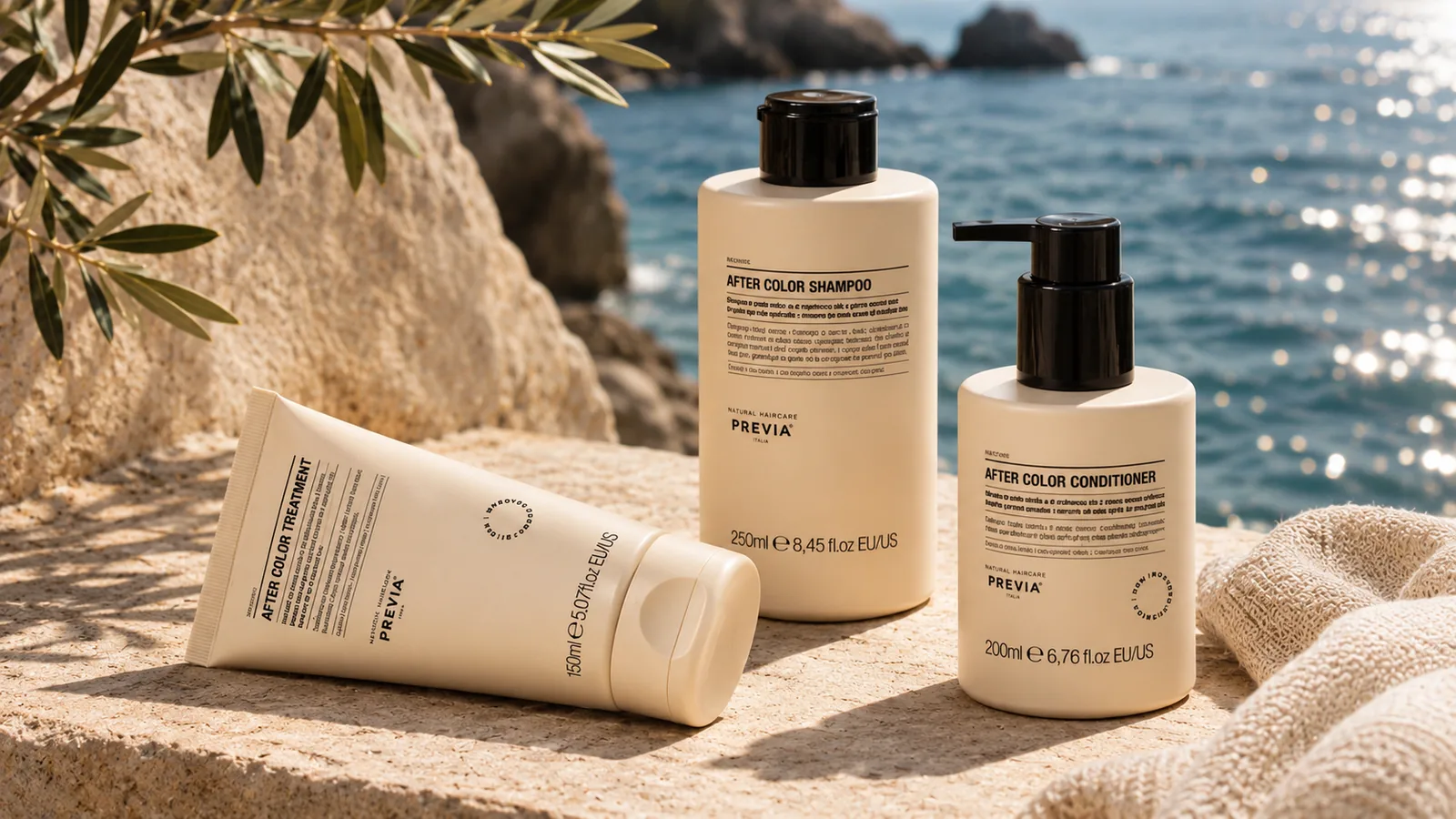
For colour-treated hair, we recommend Previa After Color, a homecare range that includes shampoo, conditioner and treatment.
The range is designed to help care for coloured hair, maintain shine and support colour longevity between salon appointments.
The right routine will always depend on your hair's condition, your colour service and your individual needs. Your colourist can help you decide which products make sense for your hair, rather than simply adding more products to your bathroom shelf.
And remember: even the best homecare routine cannot prevent every colour change. Sun exposure, washing, heat styling and the natural fading process will still play a role. The aim is to support your hair and help your colour remain beautiful for as long as possible.
Beautiful colour in the salon. Thoughtful care at home.
The NOA approach: colour that works in real life
At NOA Studio, we believe beautiful hair colour should do more than look good on the day of your appointment.
It should work with your natural base, your hair's condition, your lifestyle and the way you want to wear your hair.
That means understanding the pigments we're working with, choosing the right colour service and considering how the result is likely to evolve over time.
If you love cool brunette, we'll consider how to create a balanced result that doesn't become unnecessarily warm. If you prefer a soft, natural blonde, we'll look at how to maintain its tone and brightness without compromising the condition of your hair.
Sometimes, a small tonal adjustment is all that’s needed. Sometimes, a different formula or a more considered homecare routine makes the difference. And sometimes, the best decision is to take a little more time to protect the hair before changing its colour.
Because beautiful colour isn't about chasing the same shade forever.
It's about understanding your hair, knowing what it needs and making thoughtful decisions that keep it looking its best.
Consultation
Thinking about refreshing your hair colour?
If your brunette has become too warm, your blonde is looking too golden, or your colour simply doesn't look the way it used to, let's take a closer look. We begin by understanding your hair's current condition, colour history and goals — then recommend the most suitable approach to refresh your shade and help you maintain it between appointments. Your hair colour should work for you, not the other way around.
Book a consultation